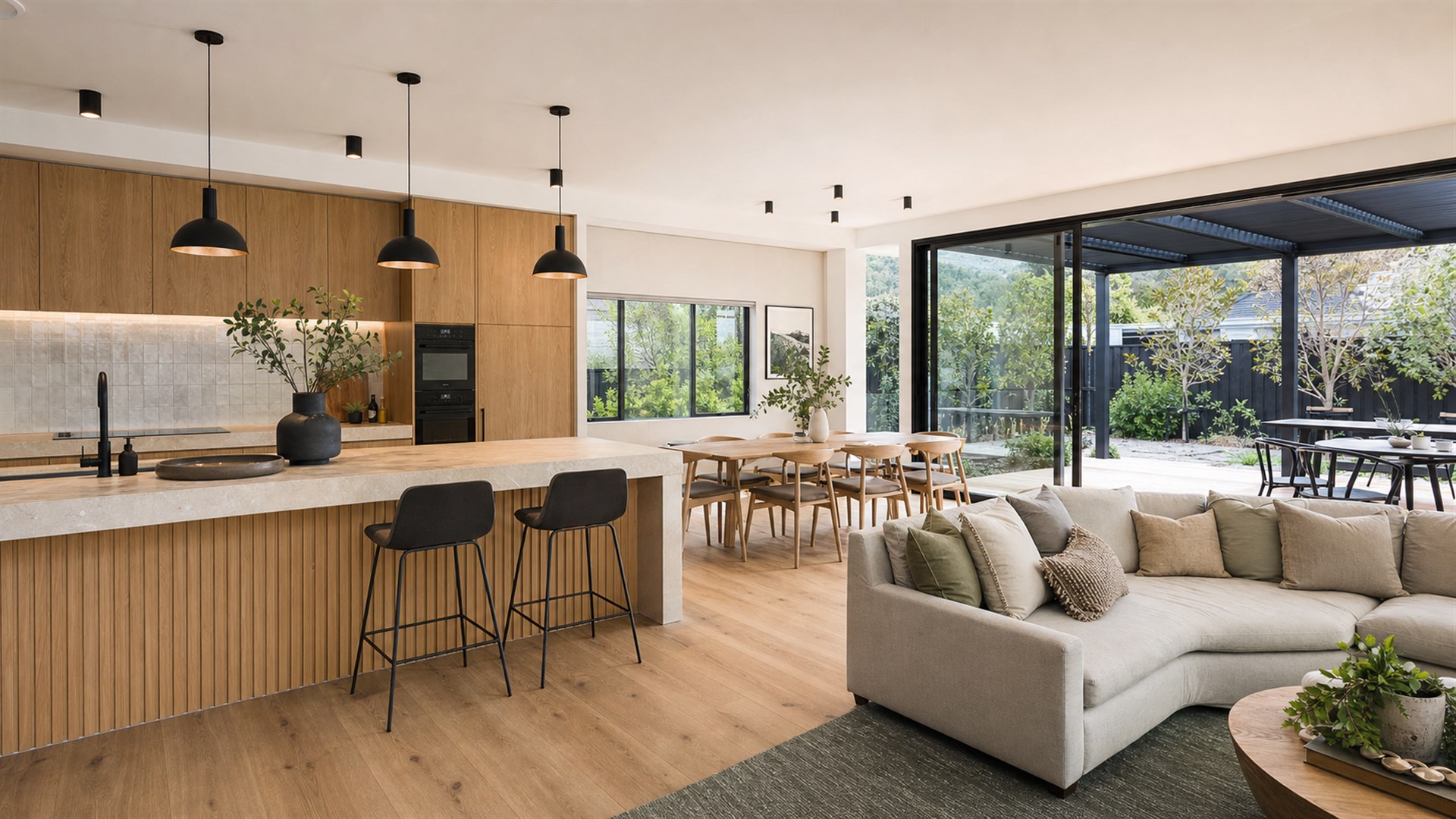

Consent requirements for an Auckland renovation depend on the building work being carried out, not whether the project is called a bathroom refresh, kitchen upgrade, or full-home renovation. Structural changes, sanitary plumbing, waterproofing, fire separations, specified systems, and changes of use can introduce different approval and specialist requirements.
Not every renovation needs building consent, but all building work must meet applicable Building Code requirements. Confirm uncertain work with Auckland Council and appropriately qualified professionals before physical work starts.
Start the consent check before final pricing
Approval requirements can affect drawings, engineering, product selections, inspections, programme, and cost. If they are considered only after a contractor has priced a cosmetic scope, the quotation may no longer describe the actual work needed.
Begin with a written description of what will be removed, moved, installed, or altered. Include walls, openings, plumbing fixtures, drainage, ventilation, waterproofing, fire-rated elements, and any change to how a space will be used.
The key principle
Consent follows the work, not the room name
Replacing paint and floor finishes is different from removing a load-bearing wall. Replacing cabinetry around existing services is different from relocating a sink and drainage. A bathroom finish refresh is different from changing sanitary fixtures, structure, or waterproofing details.
Break the project into individual work items. This helps Auckland Council, a designer, engineer, plumber, electrician, or other professional answer the right question. It also improves the accuracy of the renovation scope and quote.
- Are walls, beams, posts, bracing, or openings changing?
- Are sanitary fixtures or drainage being added or relocated?
- Does the work affect a wet-area system or concealed moisture control?
- Are fire-rated walls, ceilings, doors, or penetrations involved?
- Does the property contain specified systems or shared building elements?
- Will the use of any room, dwelling, or building area change?
Early review triggers
Renovation work that deserves an early approval check
Structural alterations should be reviewed before demolition. Plumbing and drainage changes may require authorised trades and can affect consent requirements. Apartment and commercial projects may also involve body corporate rules, landlord approvals, fire separations, access procedures, and specified building systems.
Electrical work, plumbing, gasfitting, and drainlaying have their own authorised-person requirements. A building consent exemption does not make specialist work a general DIY task. Confirm who is permitted to design, carry out, supervise, and certify each part of the scope.
Retrofix can coordinate relevant interior work within an Auckland renovation service, while project-specific design, consent, and specialist responsibilities must be confirmed for the agreed scope.
Exempt work
Exempt does not mean unregulated
New Zealand law provides exemptions for certain building work, but the conditions matter. Some exemptions require an authorised professional, and exempt work must still comply with applicable Building Code requirements and other relevant legislation.
The homeowner is responsible for ensuring that required approvals are obtained and that an exemption is used correctly. If the scope sits near the boundary of an exemption, seek project-specific guidance instead of relying on a short online example or a previous project that may have been different.
This page explains a planning process. Only the relevant authority and suitably qualified project professionals can confirm requirements for a specific property and scope.
Property information
Check existing records before changing the home
Available council property records, existing consent documents, plans, and code compliance information can reveal how the building was approved and whether later alterations are documented. Compare these records with what exists on site and raise unexplained differences early.
Keep project records together: drawings, specifications, product information, inspection records, trade certificates, approved changes, warranties, and completion documents. Clear records help with handover, maintenance, insurance questions, and future property work.
Before work starts
Auckland renovation consent planning checklist
- Describe the workList each demolition, alteration, new installation, and change of use.
- Review property recordsCompare available plans and approvals with the existing building.
- Identify specialistsConfirm required designers, engineers, licensed practitioners, and authorised trades.
- Check approvalsConfirm building consent, resource consent, body corporate, landlord, or other requirements.
- Align the quoteEnsure drawings, inspections, documentation, and specialist work are included or clearly allocated.
- Control changesReview whether proposed site changes affect approved documents before work proceeds.
Common questions
Auckland renovation consent questions
Does every Auckland renovation need building consent?
No. Whether consent is required depends on the building work proposed. Cosmetic work may be different from structural alterations, changes to sanitary plumbing, fire-safety work, or other work affecting Building Code compliance.
Does exempt renovation work still need to meet the Building Code?
Yes. Building work must comply with applicable Building Code requirements even when an exemption applies. Some exempt work must also be carried out or supervised by an authorised professional.
Who is responsible for checking whether renovation work needs consent?
The building owner is responsible for ensuring required approvals are obtained. Confirm uncertain work with Auckland Council and suitably qualified design or trade professionals before construction begins.
Does repainting a home require building consent?
Ordinary painting is generally minor renovation work that does not require building consent. However, related repairs or replacement work may raise separate questions depending on the building component and extent of work.
This general planning guide was reviewed against New Zealand Building Performance information about consent exemptions and Auckland Council homeowner guidance available on 13 August 2026. Requirements can change and must be confirmed for the specific property and work. This is not legal, design, or consenting advice.
Related guidance