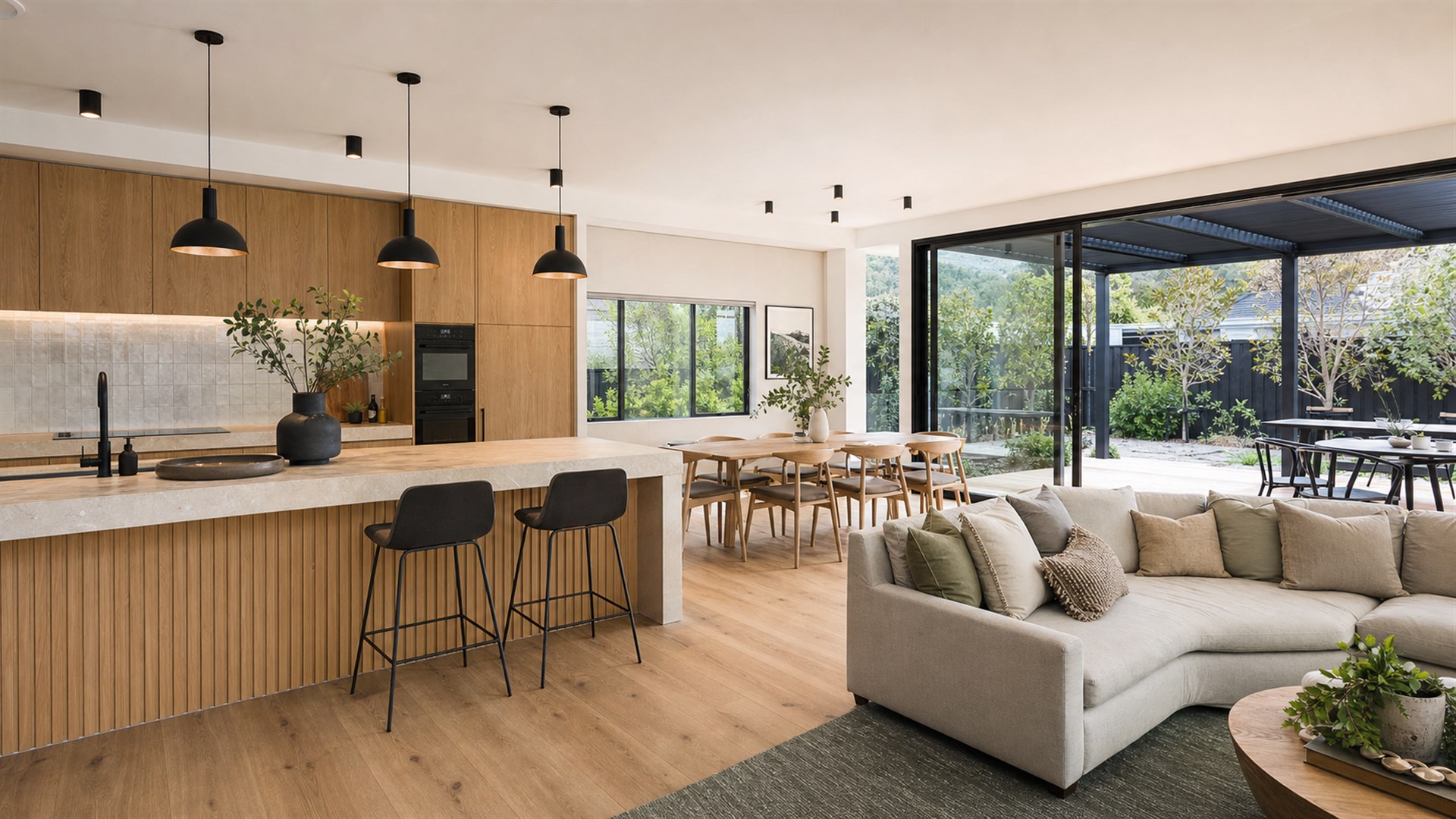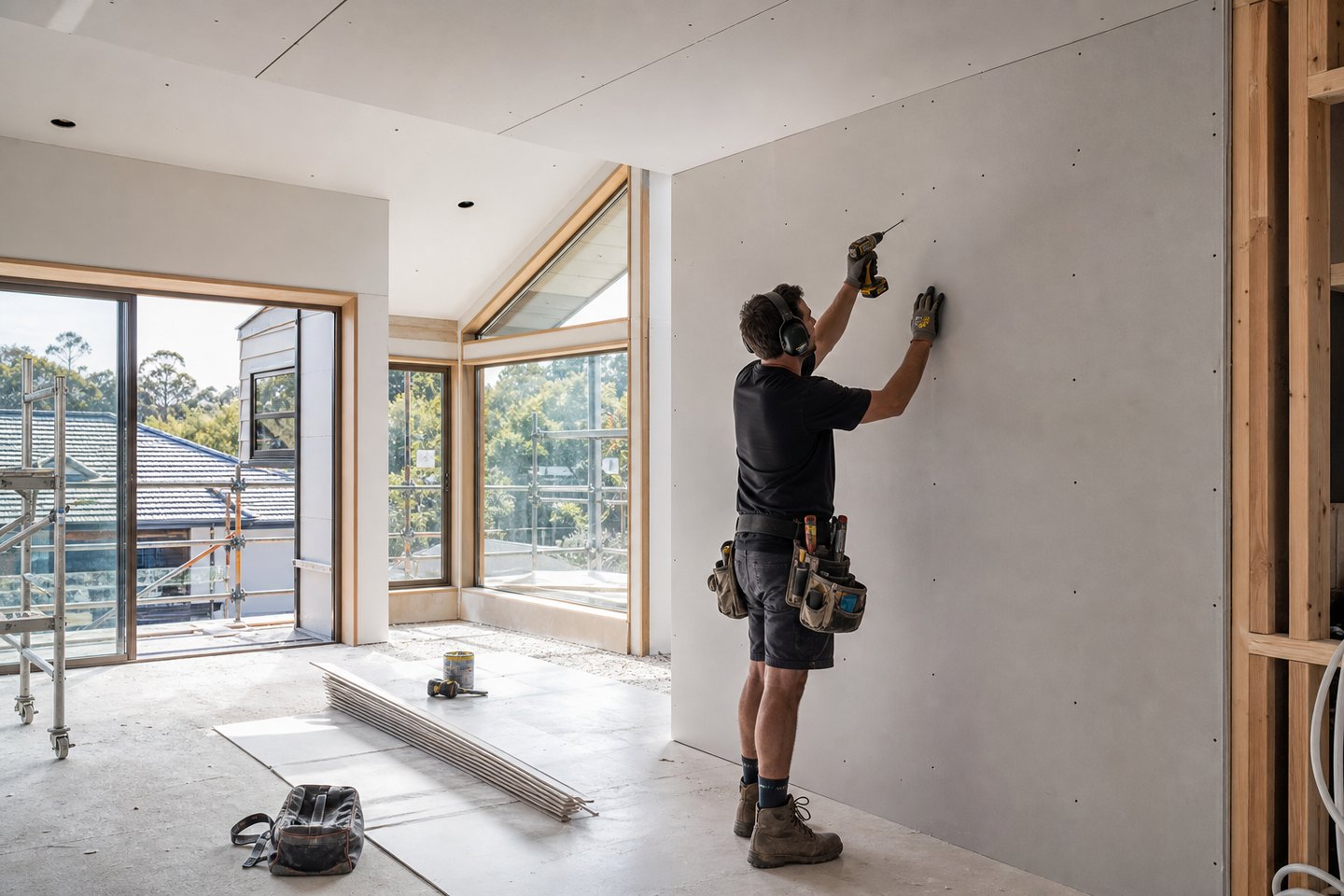

Auckland renovation costs cannot be judged accurately from room count alone. Two kitchens or two full-home renovations can require very different work once layout changes, services, repairs, access, finishes, approvals, and occupancy are considered. A useful budget begins with a documented scope and becomes more reliable as unknowns are resolved.
The most reliable renovation price is based on your property, agreed scope, selected finish level, and known site conditions. Treat broad online figures as early context only, not a substitute for a site-specific quotation.
What has the biggest effect on Auckland renovation costs?
The largest changes usually come from how much existing work must be removed, whether the layout or building services change, the condition revealed during construction, and the quality and availability of selected products. Access, protection, waste handling, design, approvals, and the number of specialist trades also affect the total.
- Size and number of rooms included
- Structural alterations or new openings
- Plumbing, drainage, electrical, ventilation, or heating changes
- Demolition, repairs, and concealed conditions
- Cabinetry, fixtures, tiles, flooring, and paint specification
- Site access, parking, storage, scaffolding, and property occupancy
Cost foundation
Define one renovation scope before asking for prices
A quotation can only be as clear as the information supplied. Record the rooms involved, layout changes, surfaces being replaced, items being retained, expected finish, owner-supplied products, and any work deliberately excluded. Drawings and a written room schedule help each contractor price the same outcome.
Separate essential work from optional upgrades. This lets a contractor show alternatives without removing important compliance, preparation, or protection work simply to reach a target number. It also creates a practical path if the initial scope is above budget.
For a broader preparation sequence, use the Renovation Auckland planning guide alongside this budgeting guide.
Existing homes
Existing conditions create the greatest uncertainty
Older and previously altered homes may contain damaged linings, uneven framing, moisture effects, outdated services, or undocumented work. Some conditions cannot be confirmed until finishes are removed. A site visit, available property records, targeted investigation, and clear variation process help manage this uncertainty.
Ask how concealed issues will be photographed, explained, priced, and approved. A contingency is not permission to spend automatically; it is a budget allowance for risks that cannot reasonably be resolved before work begins.
Products and finishes
Specifications turn preferences into measurable allowances
Words such as standard, premium, or high-end mean different things to different people. Identify actual products or realistic allowances for cabinetry, benchtops, appliances, sanitaryware, tiles, flooring, lighting, hardware, and paint systems. Include delivery and installation responsibilities, not only purchase prices.
Late selections can affect both cost and programme. Products may need different preparation, framing, plumbing positions, power requirements, or lead times. Finalising important decisions before work starts reduces provisional allowances and avoidable changes.
Record the product, supplier, model, colour, quantity, lead time, purchaser, installer, and approval status. This gives the homeowner and project team one source of truth.
Compare carefully
Why Auckland renovation quotes can be far apart
Different totals often represent different scopes. One quote may include demolition, disposal, protection, preparation, coordination, and finishing while another treats several of these as exclusions or allowances. Check the written detail before deciding that one team is simply more expensive.
- Same drawings, room list, and finish expectations
- Clear inclusions and exclusions
- Named products or realistic allowances
- Design, consent, inspection, and specialist responsibilities
- Site protection, access, waste, and cleaning
- Payment stages, programme assumptions, and variation process
Be cautious with a total that cannot be connected to a written scope. A clear quote protects both parties because it records what the price is intended to deliver.
Practical control
Ways to manage an Auckland renovation budget
- Prioritise outcomesIdentify must-haves separately from optional design upgrades.
- Investigate earlyReview accessible existing conditions and available property information.
- Freeze key decisionsConfirm layouts, fixtures, finishes, and owner-supplied items before ordering.
- Compare one scopeGive each contractor the same drawings, schedules, and assumptions.
- Control changesRequire written approval for variations before additional work proceeds.
- Track the forecastReview committed costs, allowances, approved changes, and remaining contingency.
Common questions
Auckland renovation cost questions
How much does a renovation cost in Auckland?
There is no reliable single figure without a defined scope. Costs vary with the rooms involved, structural and services work, existing condition, specifications, access, approvals, trade sequencing, and whether the home remains occupied.
Why can Auckland renovation quotes be very different?
Quotes can be based on different inclusions, preparation standards, product allowances, access assumptions, and risk allowances. Compare each written scope and exclusions before comparing totals.
How can I control my renovation budget?
Define must-haves separately from optional upgrades, investigate existing conditions early, finalise key selections, use consistent documents for every quote, and agree how variations will be approved.
Should I choose the lowest renovation quote?
Choose only after confirming that the quote covers the required outcome. A lower total may be appropriate, but it may also omit work, use different allowances, or rely on assumptions that create later variations.
Prepared by the Retrofix team to help Auckland homeowners organise scope and quotation discussions. It provides general planning information, not a project price or financial advice. Last reviewed 13 August 2026.
Related guidance