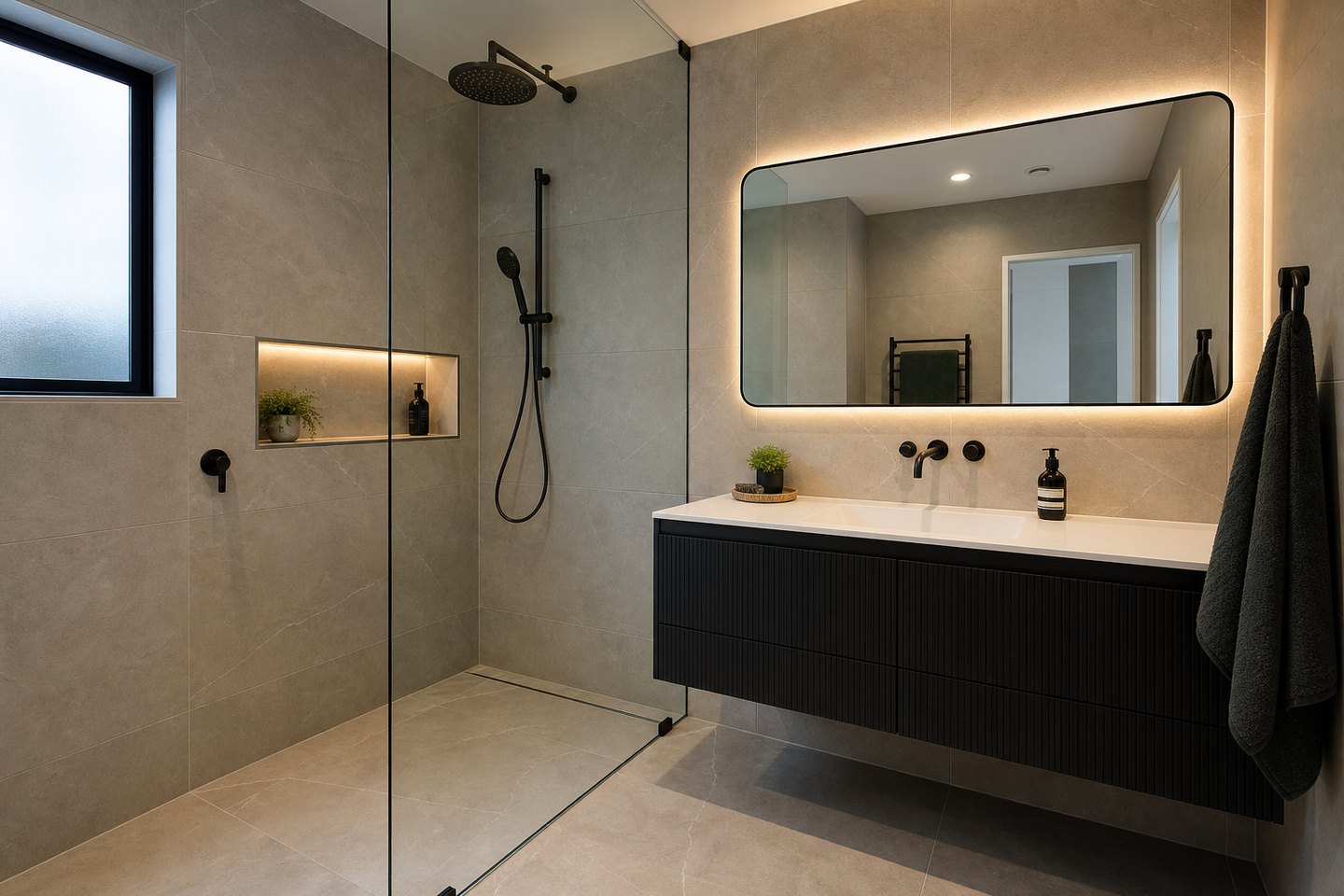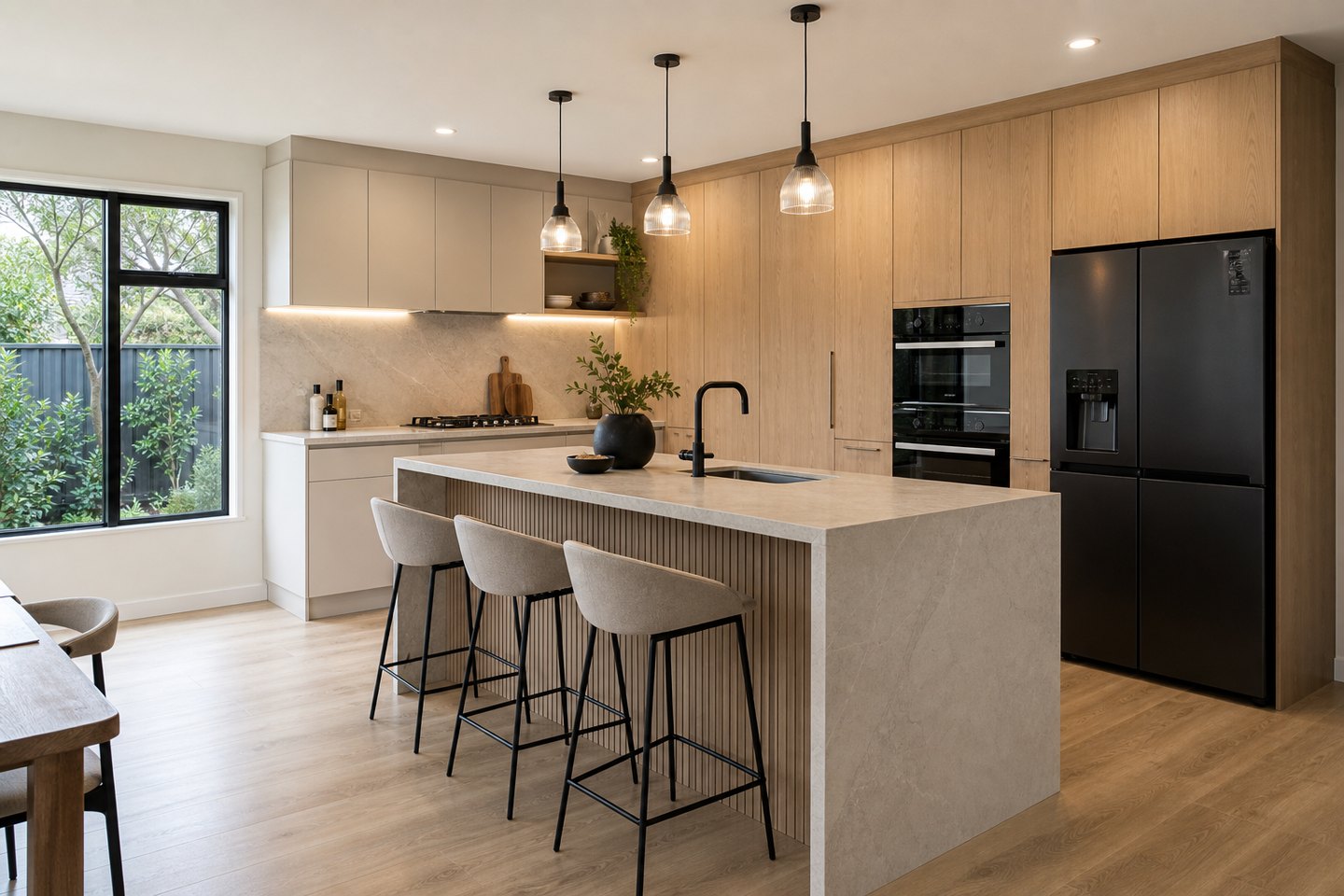

A successful renovation in Auckland starts well before demolition. The early decisions about scope, consent, access, materials, and trade responsibilities shape the programme and the quality of the finished home. This guide gives homeowners a practical way to prepare before asking builders or renovation companies to quote.
Write down the outcome you want before listing products. “Create a warmer, easier-to-use family kitchen” gives your renovation team more direction than a list of appliances alone.
Step one
Define what your Auckland renovation needs to achieve
Start with the problems the current home creates. You may need more storage, better circulation, a safer bathroom, improved wall and ceiling finishes, or a complete interior update before renting or selling. Separate these needs from optional design ideas so that your priorities remain clear when quotations arrive.
A useful first scope records the rooms involved, any walls or services you hope to move, the finishes you want replaced, and whether you plan to live in the property while work is underway. Photos, a simple marked-up floor plan, and examples of the finish quality you like can make an initial conversation much more productive.
Questions to answer before requesting a quote
- Which rooms and building elements are included?
- What is essential, and what can be treated as an option?
- Will the layout change or remain substantially the same?
- Are there known leaks, damaged linings, uneven floors, or previous alterations?
- Does the property need to remain occupied during construction?
- Is there a target completion date connected to a move, tenancy, or sale?
Retrofix's Auckland renovation services combine interior alterations, GIB work, painting, tiling, waterproofing, and flooring into a coordinated scope where required.
Compliance
Check consent and specialist requirements early
Not every renovation needs a building consent, but the answer depends on the work rather than the room name. Structural changes, changes to sanitary fixtures or drainage, waterproofing details, fire separations, and alterations to specified building systems can all affect the approval path.
Auckland Council provides project-specific guidance for building and renovation work. The Ministry of Business, Innovation and Employment also provides building consent guidance for homeowners. Use these as starting points and confirm the position for your property before physical work begins.
Some exempt work must still be completed by an authorised professional and all building work must meet applicable Building Code requirements. If your scope is uncertain, allow time for a designer, engineer, plumber, electrician, or council adviser to review it.
Cost control
Plan the budget around scope and risk
Online renovation price ranges can be misleading because two projects with the same room count may involve very different structural work, access, materials, services, and site conditions. A better starting point is to decide the maximum comfortable investment and then ask the project team to separate core work from optional upgrades.
Allow for design and consent work where needed, construction labour, materials, specialist trades, temporary protection, rubbish removal, and final finishing. Older or previously altered homes can also reveal concealed issues after linings or flooring are removed. Discuss how these discoveries will be documented, priced, and approved before extra work proceeds.
Use one written selections schedule for flooring, tiles, paint colours, fittings, hardware, and owner-supplied items. This reduces delays and makes quotation comparisons more accurate.
Choosing a team
Compare renovation quotes on more than the final number
A low total can reflect a smaller scope, fewer allowances, or exclusions that another contractor has included. Before comparing totals, check that every quotation responds to the same drawings, room list, finish expectations, and access assumptions.
Look for clear inclusions and exclusions, material allowances, payment stages, expected start and completion windows, site protection, waste removal, and the process for variations. Ask who coordinates each trade and who you will speak with when a decision is needed.
Useful questions for a renovation company
- Who will be the day-to-day point of contact?
- Which parts of the scope are fixed and which are allowances?
- How are changes and concealed conditions approved?
- How will occupied areas be protected from dust and damage?
- What inspections, records, and completion documents apply?
- Can I view relevant completed renovation projects?
Delivery
A practical Auckland renovation process
- ConsultationDiscuss goals, the property, priorities, access, and target timing.
- Site reviewInspect existing conditions and identify information still required.
- Scope and quotationDocument the work, selections, allowances, exclusions, and responsibilities.
- Pre-construction planningConfirm approvals, materials, trade sequencing, protection, and communication.
- Construction and quality checksCoordinate the trades, record changes, and review each stage before it is covered.
- Completion and handoverInspect finishes, close outstanding items, clean the work area, and collect relevant records.
Before work starts
Renovation Auckland planning checklist
- Write a room-by-room scope and priority list.
- Collect plans, property records, inspiration images, and known defect information.
- Confirm whether design, consent, or specialist review is required.
- Agree who supplies every fixture, fitting, finish, and appliance.
- Confirm access, parking, working hours, security, and protection requirements.
- Understand the programme, payment stages, variation process, and handover standard.
- Keep a contingency for genuinely unknown conditions or approved scope changes.
Frequently asked questions
Questions about renovating in Auckland
How should I start planning a renovation in Auckland?
Define the rooms involved, the problems you want to solve, your must-have outcomes, preferred timing, and whether the home will remain occupied. This gives renovation companies a clear starting point for a site visit and quote.
Does every Auckland renovation need building consent?
No. Requirements depend on the proposed work. Structural changes, some plumbing changes, waterproofing work, and alterations affecting building systems may require review or consent. Confirm the requirements for your project before starting.
What should an Auckland renovation quote include?
Look for the scope, inclusions, exclusions, materials or allowances, trade responsibilities, site assumptions, timing, payment stages, and the process for approving changes.
Consent and compliance information can change. Check current guidance from Auckland Council and Building Performance for your specific project.
Continue planning